Please follow & like us

Bliss Hotel deal revamps Southport’s waterfront

Bliss Hotel is about to become the newest kid on the block, changing the landscape in its inaugural location of Southport; the North West’s premier coastal destination.

Bliss Hotel has rebranded and refurbished the current 133 room Ramada Plaza Hotel which anchors their multi-faceted leisure resort, The Waterfront, which includes a casino, theatre and conference centre sitting on the Marine Lake.

Bliss has recently secured a Ā£15m funding package to support the project which will deliver the new hotel together with a wider and ambitious planning consent over the entire site before pursuing a strategic Bliss Hotel expansion drive for the ā€˜Super Soulful ā€˜Hotel Brand to other locations in the UK.

Bliss Hotel will be the first brand in the U.K. to trade under the Wyndham Trademark franchise agreement and immediate works will deliver completion of Bliss Floor 5 comprising new designed rooms showcasing their handmade Millbrook King Sized beds and formation of new and exclusive 60m2 penthouses with incredible views across the Marine Lake and coast beyond.

Bliss Hotel Co-Founder Daniel Broch said: “What a moment for Southport and Bliss Hotel; our shared vision’s about to become a reality fuelled by the enthusiasm and excitement of all those involved – creating anything from scratch is hugely inspiring and challenging; we’re aiming highā€

Jez Marvin, from the architects Unwin Jones Partnership added: ā€œThe Bliss Hotel project and Waterfront regeneration represents a fantastic opportunity for Southport, the North West and for all involved.

“Unwin Jones Partnership are delighted and excited to have been selected as architect. Bliss have assembled a team full of talent, ideas and energy – we are looking forward to creating something truly amazing together.”

Have you seen Andrew McCluskey?

We are appealing for help in tracing a 37 year-old man who is missing from home.

Andrew McCluskey was last seen in Harrowby Road, Litherland, at 9.30am on Wednesday 27th February.

He is a white male, 5ft 5in tall, of large build with very long brown hair and a beard. When last seen he was wearing a navy blue fleece, baggy blue jeans and brown shoes and was carrying a Bag for Life.

He is known to frequent Southport train station, bus stops around Southport and Bootle Strand bus station.

Anyone who has seen Andrew or anyone fitting his description is asked to DM @MerPolCC or call 101 or contact @missingpeople on 116 000

Sefton joins partners to host ‘Empty Homes’ event

Sefton Council is joining forces and partnering up with other local authorities across Merseyside and Cheshire to host a free ā€˜Empty Homes’ event.

The event at Liverpool Town Hall aims to offer advice and support to owners of empty properties across the region.

The drop-in session is an initiative from the Merseyside and Cheshire Sub Regional Empty Homes Group to reduce the number of empty privately-owned homes across the region.

There will be a host of information and empty property owners can browse stalls to learn about Council services and their empty property schemes or attend seminars on issues including selling a property at auction, probate, Universal Credit and fire safety.

The event takes place at Liverpool Town Hall, on Wednesday, March 20, between 3pm-6.15pm. For more information contact Elizabeth Walsh on 0345 140 0845.

Sefton bins FAQs

Each week residents in Sefton fill their bins and wave good bye to their waste, but what happens to the waste once it’s been collected?

This guide will provide insight on what kind of waste can be recycled, what happens to the waste after our bin lorries have collected it and what happens to the waste that can’t be recycled.

What goes in my bin?

In Sefton, brown bins and hessian sacks are used for recyclable waste.

It’s important to understand exactly what materials can be recycled and how this should be presented. Visit https://www.recycleright.org.uk to find out exactly what can and can’t be recycled.

Remember to never put your recycling in bin liners, plastic bags or refuse sacks of any kind. These types of bags and normal waste can’t be separated from your recycling. The bags also damage equipment and increase the costs of dealing with your waste.

Putting bags and normal waste in recycling collections is a waste of your time and effort – and means we can’t recycle.

Green bins are collected seasonally and are used for garden waste such as grass clippings, tree and shrub clippings, weeds, dead flowers and leaves.

Any items which cannot be recycled or put in your green bin, should be put in your grey bin (or in refuse sacks where sack collections are in place).

Some households may also have a food waste recycling box,Ā this is used for fruit and vegetable peelings, cooked food, raw meat & fish, bones, leftover food/plate scrapings.

What happens to my recyclable waste once it’s been collected?

Once the council bin lorries have collected your recyclable waste, it is brought to the Gilmoss Material Recovery Facility (MRF).

Merseyside & Halton’s MRFs have the capacity to process over 200,000 tonnes per year, producing seven secondary raw material grades and diverting more than 63,000 tonnes away from disposal.

At the MRF, a complex system of conveyors transport the recyclable material through the sorting process. The waste goes through both manual and mechanical checks to separate the waste in to steel, paper, cardboard, glass, aluminium and plastic.

Any contaminated waste is removed by hand and sent to the Energy from Waste facility where it is used to create fuel for heat and electricity.

After the sorting of the materials, balers are used to compress some of the recyclables into dense bales for transport and sent to facilities across the country where it is used to create secondary raw materials.

What happens to my green waste once it’s been collected?

Once your green waste has been collected it is delivered to White Moss’ composting site in Kirkby.

Over the course of 12 weeks the green waste is transformed in to compost and blended with forestry bi-products such as wood-fines so that it can be recycled into quality compost that is sold in bulk to local and national landscapers and groundwork companies.

What happens to the waste we can’t recycle?

Despite our best efforts to reuse and recycle, there will always be some waste where these options are not possible. This waste can be used as potential fuel that can give value in the form of energy- this is known as Energy from Waste.

Sending waste to landfill is no longer an option because when it rots it releases methane; this is a greenhouse gas that is a major contributor to climate change. Therefore, producing energy from waste is the best way to divert rubbish away from landfill.

Energy from Waste is a tried and tested technology that converts waste into fuel that can be used to generate heat and electricity by burning it at a high temperature.

Sefton’s waste is transported via rail from the Rail Transfer Loading Station in Kirkby to the Energy from Waste plan in Wilton. This facility accepts household bin rubbish, street cleansing waste and waste from MRFs.

It includes all of the things that can’t be recycled including plastic pots, tubs and trays, plastic film and plastic bags. If you’re unsure about which items can and can’t be recycled visit www.recycleright.org.uk

The Energy from Waste system has diverted more that 92% of rubbish bin waste from Merseyside and Halton away from landfill disposal. This has generated enough energy to power around 60,000 homes.


Sefton catches alleyway dumpers in flytipping crackdown

Sefton Council is once again reminding residents of their rubbish responsibilities following a crackdown on alleyway flytipping.

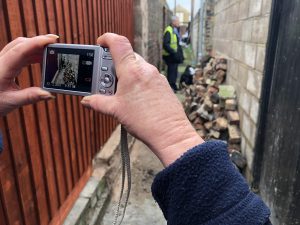
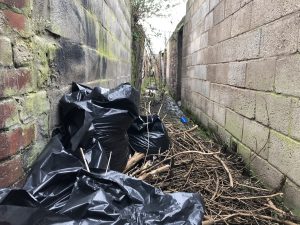
A recent spot-check by the Local Authority’s Environmental Health Enforcement officers in the south of the borough uncovered a large amount of alleyway rubbish dumping and one resident was even caught in the act, resulting in her receiving a Ā£400 fine.

Each year Sefton’s cleansing teams have to remove thousands of tonnes of rubbish from alleyways across the borough, costing the Council Ā£800,000 a year to clear up and dispose of.

On average 20 tonnes of flytipped rubbish is left in rear alleyways and passageways each week, running up bills of £2,600 in disposal costs alone.

Cllr Paulette Lappin, Sefton Council’s Cabinet Member for Regulation and Compliance, said: “People dumping rubbish in alleyways costs the council hundreds of thousands of pounds a year to clean up and dispose of.

“This is a huge bill to clean up after flytippers and our recent inspections show that there are still inconsiderate and irresponsible people who dump their rubbish illegally.

“No matter if its a small bin bag or a huge pile of household waste, it’s still flytipping and you will be fined heavily for irresponsibly disposing of your rubbish.

“Flytipping carries a Ā£400 fixed penalty notice and failure to pay will land you in court.Ā  We won’t hesitate to issue a fine if we catch people doing it.
“Each week our cleansing teams clear away tonnes of dumped waste from alleyways alone and this needs to stop.

“Flytipping is not only unsightly and anti-social, but it can also be a serious risk to people’s health and can cause considerable damage to the environment.

“Please dispose of your waste in the proper fashion and make Sefton a cleaner and greener place to live, work and visit.”

If any residents have any concerns regarding flytipping or wish to report an offence, they should contact us on 0345 140 0845 or report it via our website www.sefton.gov.uk.

Search Box